Zenius : Harnessing the Power of Nature

0
₹0.00
Your Cart

No products in the cart.

No products in the cart.

Shankhpushpi
Blog

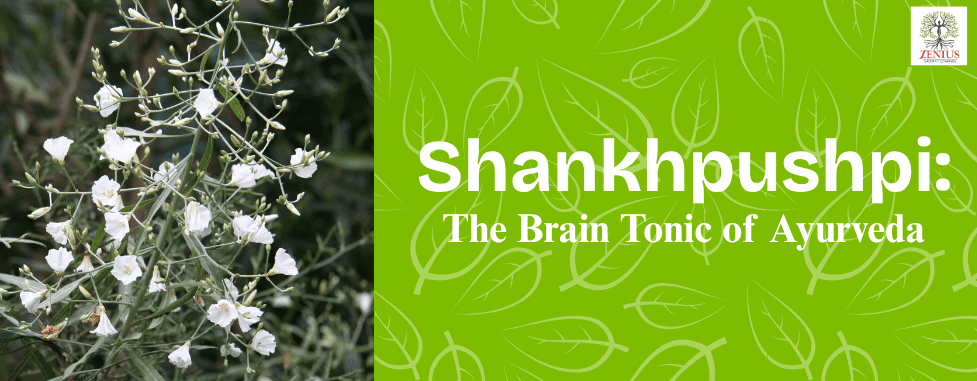
Shankhpushpi: The Brain Tonic of Ayurveda

Introduction In today’s fast-paced world, mental health and cognitive function are more important than ever. Many people experience stress, anxiety, memory lapses, and difficulty concentrating due to busy lifestyles. Ayurveda, the ancient Indian system of medicine, offers natural solutions to support brain health, and one of the most revered herbs in this regard is Shankhpushpi. Known as the ultimate brain tonic, Shankhpushpi has been used for centuries to enhance memory, reduce stress, and promote overall mental clarity. In this blog, we will explore what Shankhpushpi is, its benefits, how it works, and how to use it safely for better brain health. What is Shankhpushpi? Shankhpushpi (scientifically called Convolvulus pluricaulis) is a small, creeping plant found in India and other parts of Asia. It is a vital herb in Ayurveda, primarily used to improve cognitive function and mental well-being. The name “Shankhpushpi” is derived from two Sanskrit words: “Shankh,” meaning conch shell, and “Pushpi,” meaning flower, reflecting the shape of its delicate flowers. In Ayurveda, Shankhpushpi is classified as a Medhya Rasayana—a group of herbs known to rejuvenate the mind, boost intelligence, and sharpen memory. Ayurvedic Properties of Shankhpushpi According to Ayurveda, Shankhpushpi balances the Vata and Pitta doshas, which are crucial for mental function and emotional stability. When these doshas are balanced, the mind remains calm, sharp, and focused. Shankhpushpi is also classified as a cooling herb that calms the nervous system and reduces excessive heat (which is often linked with stress and anxiety). It supports the brain and nervous system by nourishing nerve cells and improving communication between them. Key Benefits of Shankhpushpi 5. Balances Mood and Emotional Health By calming the nervous system and balancing doshas, Shankhpushpi supports emotional stability and helps reduce irritability, nervousness, and mood swings. How Does Shankhpushpi Work? Shankhpushpi works through multiple pathways: Traditional and Modern Uses In Ayurveda, Shankhpushpi is often used in formulations alongside other herbs to create powerful brain tonics. Traditionally, it is prepared as a syrup, powder, or herbal tea. Modern research has started validating many of its traditional uses, showing promise for treating anxiety, depression, memory impairment, and even neurodegenerative diseases like Alzheimer’s. How to Use Shankhpushpi Shankhpushpi can be consumed in several forms: Precautions and Side Effects Shankhpushpi is generally safe when used appropriately. However: Complementary Tips to Boost Brain Health Alongside Shankhpushpi, Ayurveda recommends: Conclusion Shankhpushpi stands as a time-tested herb in Ayurveda for enhancing brain health, memory, and emotional well-being. With its calming, nourishing, and protective properties, it is an excellent natural choice for those looking to support their mental function without the side effects of synthetic drugs. When combined with a healthy lifestyle, Shankhpushpi can help you achieve sharper focus, reduced stress, and a balanced mood—essential ingredients for a happy and productive life.

Ayurvedic Hair Care
Blog

Ayurvedic Hair Care: Monsoon Remedies for Strong Hair

Introduction The monsoon season brings much-needed relief from the scorching summer heat, but it also introduces challenges for hair health. Increased humidity, dampness, and sudden temperature changes can lead to hair fall, frizz, dandruff, and scalp infections. Ayurveda, the ancient Indian system of medicine, offers holistic solutions to maintain strong and healthy hair during this season by ayurvedic hair care. Understanding Hair Challenges During Monsoon Monsoon’s high humidity can cause the scalp to become oily while the hair strands remain dry, leading to: Ayurvedic Perspective on Monsoon Hair Care Ayurveda emphasizes balancing the body’s doshas—Vata, Pitta, and Kapha—for overall health. During monsoon, Vata and Pitta doshas often become imbalanced, affecting hair health. Ayurvedic hair care during this season focuses on: Ayurvedic Herbs Beneficial for Monsoon Hair Care 5. Shikakai (Acacia Concinna) A natural cleanser, Shikakai gently removes dirt without stripping natural oils. It also detangles hair and adds volume. Ayurvedic Hair Care Practices for Monsoon 5. Balanced Diet Consume a diet rich in proteins, vitamins, and minerals. Include foods like leafy greens, nuts, seeds, and fruits to provide essential nutrients for hair health. DIY Ayurvedic Hair Oil Recipe Ingredients: Method: 5. Use this oil to massage your scalp 2-3 times a week. Lifestyle Tips for Healthy Hair During Monsoon Conclusion Monsoon hair woes are common, but with the right Ayurvedic practices, you can maintain strong and healthy hair throughout the season. Incorporate herbal remedies, maintain a balanced diet, and follow a consistent hair care routine to combat the challenges posed by humidity and dampness. Embrace these natural solutions to enjoy luscious locks, rain or shine.

Blog

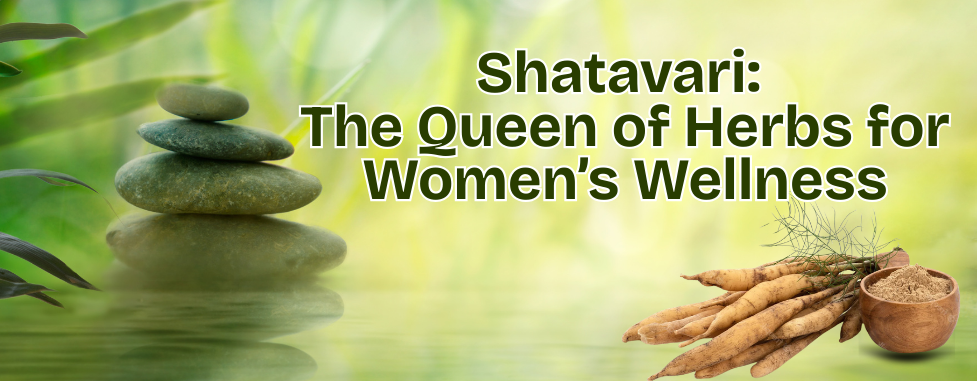
Shatavari: The Queen of Herbs for Women’s Wellness

In Ayurveda, some herbs are so powerful and nurturing that they earn divine nicknames. One such herb is Shatavari — often called the “Queen of Herbs” for women’s wellness. The name Shatavari literally means “she who possesses a hundred husbands,” symbolizing strength, fertility, and feminine vitality. For centuries, Shatavari has been used in Ayurvedic medicine to support women at every stage of life — from puberty and menstruation to pregnancy, motherhood, and menopause. Whether you’re experiencing hormonal imbalances, fatigue, mood swings, or reproductive issues, Shatavari is a natural and holistic solution. In this blog, we will explore what makes Shatavari so special, how it benefits women’s wellness, and how you can use it in daily life. What Is Shatavari? Shatavari (Asparagus racemosus) is a climbing plant with small white flowers and tuberous roots. It belongs to the asparagus family and is found across India and the Himalayas. In Ayurveda, the roots of the plant are used for medicinal purposes. Shatavari is classified as a Rasayana — a rejuvenating herb that strengthens the body’s tissues, boosts immunity, and promotes long life and vitality. It is also a powerful adaptogen, which means it helps the body adapt to physical and emotional stress. Most importantly, it is a well-known Balya (strengthening herb) and Stanya-janana (galactagogue), which means it promotes breast milk production and supports female reproductive health. Top 8 Benefits of Shatavari for Women’s Wellness Supports Hormonal Balance Many women struggle with hormonal issues such as irregular periods, mood swings, PMS, or PCOS. Shatavari contains natural plant estrogens (phytoestrogens) that help balance female hormones without the side effects of synthetic hormones. How it helps: Helps manage PCOS symptoms by balancing estrogen and androgen levels Eases Menstrual Discomfort Shatavari is cooling and soothing in women’s wellness naturally. It helps calm the nervous system, reduce inflammation, and relax the uterine muscles. This makes it very effective for easing: Women with Pitta or Vata imbalance often benefit the most from regular Shatavari use during their cycle. Enhances Fertility Shatavari nourishes the reproductive system and strengthens the uterus. It improves ovulation, egg quality, and uterine lining — all of which are essential for conception. Benefits for fertility include: Couples trying to conceive often use Shatavari as part of an Ayurvedic fertility plan. Supports Pregnancy and Lactation During pregnancy, Shatavari helps build strength, maintain hormonal balance, and reduce stress and anxiety. After childbirth, it is one of the best herbs to promote lactation. How it helps new mothers: Ayurvedic texts recommend Shatavari with warm milk or ghee for nursing mothers. Eases Menopause Symptoms As women enter menopause, hormone levels drop, often leading to hot flashes, dryness, mood swings, and sleep issues. Shatavari acts as a natural estrogen booster and helps smooth this transition. Benefits include: It is one of the safest herbs for managing menopause naturally, without relying on hormone replacement therapy. Strengthens Immunity and Digestion Shatavari boosts ojas — the subtle essence of vitality and immunity in the body. It also improves digestion by reducing inflammation in the gut and supporting proper elimination. A strong digestive system means better absorption of nutrients, which leads to: Enhances Mood and Emotional Health Women often go through emotional ups and downs due to monthly cycles, motherhood, or life pressures. Shatavari is known to calm the mind and reduce stress. As an adaptogen, it supports the adrenal glands and reduces cortisol, the stress hormone. Benefits for emotional well-being: Nourishes Skin and Hair Thanks to its cooling, nourishing, and anti-inflammatory properties, Shatavari also supports beauty from within. It: Final Thoughts Shatavari truly lives up to its title as the “Queen of Herbs.” It nurtures, strengthens, and empowers women at every stage of life — physically, emotionally, and spiritually. In a world where hormonal imbalances and stress-related issues are rising among women, Shatavari offers a time-tested, natural path to women’s wellness. Instead of masking symptoms with synthetic hormones or quick-fix solutions, Ayurveda encourages us to nourish the root — and Shatavari does exactly that. If you are looking for a natural way to support your feminine health, vitality, and beauty, Shatavari may be the perfect herb to welcome into your daily routine. “In Shatavari lies the strength of a hundred — not just for the body, but for the heart and soul of a woman.” — Ayurvedic Wisdom

Blog

Nutrition Tips from Ayurveda: According to Your Ayurvedic Dosha

Ayurveda, the ancient Indian system of healing, teaches us that “food is medicine.” What we eat has a direct impact on our body, mind, and overall well-being. One of the core concepts in Ayurveda is the idea of the three doshas — Vata, Pitta, and Kapha. Each person has a unique combination of these ayurvedic dosha, which determines their physical and mental characteristics. To stay healthy and energetic, it’s important to eat according to your dosha. In this blog, we’ll explore how to understand your dosha and the best foods to support your personal constitution. What Are Ayurvedic Dosha? According to Ayurveda, the five elements (space, air, fire, water, and earth) combine in the body to form three energies: Everyone has all three ayurvedic dosha, but usually one or two dominate. When your doshas are in balance, you feel energetic, happy, and healthy. When they are out of balance, you may feel sick, stressed, or fatigued. Let’s explore the best nutrition tips based on each dosha. Nutrition Tips for Vata Dosha Vata is cold, dry, light, and irregular. People with a dominant Vata tend to be slim, energetic, and creative. But when out of balance, they may suffer from anxiety, dry skin, constipation, and insomnia. Goal: Grounding, warming, moistening foods. Best Foods for Vata: Warm milk with a pinch of nutmeg at night Foods to Avoid: Helpful Herbs & Spices: Tip: Eat at regular times and stay warm. Don’t skip meals. Nutrition Tips for Pitta Dosha Pitta is hot, sharp, and intense. People with dominant Pitta often have a strong digestion, a sharp mind, and a competitive spirit. When out of balance, they may experience acid reflux, skin rashes, anger, or burnout. Goal: Cooling, calming, and hydrating foods. Best Foods for Pitta: Foods to Avoid: Helpful Herbs & Spices: Tip: Eat in a calm, peaceful environment. Avoid eating late at night. Nutrition Tips for Kapha Dosha Kapha is heavy, slow, and cool. People with dominant Kapha are strong, calm, and loyal. When out of balance, they may struggle with weight gain, sluggish digestion, or emotional eating. Goal: Light, warm, and stimulating foods. Best Foods for Kapha: Foods to Avoid: Helpful Herbs & Spices: Tip: Eat smaller portions and stay physically active. Fasting one day a week is also helpful for Kapha. Daily Ayurvedic Nutrition Tips for Everyone No matter your dosha, these basic principles will support good digestion and health: Use spices to support digestion and flavor your meals naturally. Final Thoughts Ayurveda reminds us that no single diet is perfect for everyone. What works for one person may not work for another. That’s why eating according to your dosha can be life-changing. By aligning your food choices with your body type and seasonal changes, you can enjoy better digestion, more energy, glowing skin, and a calmer mind. Start small — maybe by adding ghee to your meals or drinking herbal tea instead of cold drinks. Over time, you’ll see how deeply nourishing and healing Ayurveda can be. “When diet is correct, medicine is of no need. When diet is incorrect, medicine is of no use.” — Ayurvedic proverb

Blog

Top 7 Natural Beauty Problems Solved by Ayurveda

Beauty is not just about applying creams or makeup; it’s about having a healthy body and mind. Ayurveda, the ancient Indian science of life and wellness, focuses on natural remedies to heal beauty problems from the inside out. Instead of just covering symptoms, Ayurveda helps to treat the root cause. In this blog, let’s explore the top 7 common beauty problems and how Ayurveda offers effective, natural solutions. 1. Acne and Pimples Acne is one of the most common skin problems, especially among teenagers and young adults. In Ayurveda, acne is caused by an imbalance in the Pitta dosha, which is associated with heat and inflammation in the body. Ayurvedic Solutions: Drink warm water with a few tulsi (holy basil) leaves daily to cleanse your system. 2. Hair Fall and Dandruff Hair problems like hair fall, dandruff, or premature greying are often signs of stress, poor nutrition, or an imbalance in Vata and Pitta doshas. Ayurvedic Solutions: Diet Tip: Eat foods rich in healthy fats like ghee, almonds, and seeds. Stay hydrated and reduce stress through yoga and meditation. 3. Pigmentation and Dark Spots Pigmentation, dark spots, or uneven skin tone often result from sun exposure, hormonal changes, or liver imbalance. Ayurvedic Solutions: Diet Tip: Include detoxifying foods and drink warm water with lemon in the morning. Avoid fried and processed food. 4. Dry and Dull Skin Dry skin happens due to Vata imbalance, especially in cold or dry weather. It leads to flaky, itchy, and lifeless skin. Ayurvedic Solutions: Diet Tip: Eat warm, moist, and nourishing foods. Add more soups, stews, and root vegetables. 5. Premature Ageing (Wrinkles and Fine Lines) Ageing is a natural process, but modern lifestyle factors like stress, pollution, and poor sleep accelerate skin ageing. Ayurvedic Solutions: Diet Tip: Eat antioxidant-rich foods like berries, carrots, and nuts. Avoid smoking and late nights. Practice pranayama to reduce stress. 6. Dark Circles and Puffy Eyes Dark circles are usually caused by lack of sleep, stress, dehydration, or poor digestion. Ayurvedic Solutions: Diet Tip: Sleep early, drink enough water, and avoid excessive screen time. 7. Oily Skin and Enlarged Pores Oily skin is linked to an imbalance in Kapha and Pitta doshas. It often leads to clogged pores, blackheads, and acne. Ayurvedic Solutions: Diet Tip: Avoid dairy, fried foods, and excessive sugar. Include more astringent-tasting foods like lentils and bitter vegetables. Final Thoughts Ayurveda teaches us that true beauty starts from within. When your doshas (body energies) are in balance, your skin, hair, and overall appearance naturally glow. While chemical cosmetics may offer temporary results, Ayurvedic solutions provide lasting beauty by healing your body, mind, and soul. Start with simple changes: Let Ayurveda be your guide to long-lasting, natural beauty.

Blog

Hip Joint Pain? Ayurvedic Exercises and Oils That Help

Hip joint pain is a common problem that affects people of all ages. Whether caused by aging, sitting too long, poor posture, or injury, this pain can make simple movements like walking, bending, or sitting uncomfortable. Instead of depending only on painkillers or synthetic treatments, many people today are turning toward Ayurveda, an ancient Indian system of natural healing. Ayurveda offers gentle yet powerful ways to reduce hip pain and stiffness through herbal oils, joint-friendly exercises, and daily care. In this blog, you’ll discover the best Ayurvedic remedies for hip joint pain, including massage oils and exercises that you can easily do at home. What Causes Hip Joint Pain? The hip joint is one of the largest and strongest joints in the body. It allows you to walk, run, bend, and sit with ease. But over time, or due to certain factors, this joint can become stiff, inflamed, or painful. Common causes of hip joint pain: Ayurveda considers joint pain as a sign of imbalanced Vata dosha, which causes dryness, cracking, and discomfort in joints. According to Ayurveda, to treat joint pain naturally, one must reduce Vata, improve circulation, and nourish the joints using herbs, massage oils, and movement. Ayurvedic therapies focus on: This holistic approach not only reduces pain but also improves joint flexibility over time. 1. Mahanarayan Oil This classical Ayurvedic oil is specially formulated for joint and muscle pain. It contains powerful herbs like Ashwagandha, Bala, and Shatavari in a base of sesame oil. Benefits: How to use: Warm the oil slightly and massage gently into the hip joint area for 10–15 minutes, preferably twice a day. 2. Dhanwantharam Thailam This oil is widely used in Ayurvedic Panchakarma therapies. It strengthens nerves, muscles, and bones and is ideal for chronic joint conditions. Benefits: How to use: Massage daily before a warm bath or after yoga/exercise sessions. 3. Murivenna Oil This oil is known for healing injuries and inflammation. It’s especially good for hip pain due to injury or overuse. Benefits: How to use: Apply lukewarm oil gently to affected area and wrap with warm cloth for deeper absorption. Along with oil massages, gentle movement is essential to prevent stiffness and improve the strength of your hip joints. Ayurveda encourages yoga, stretching, and mindful movements as daily practice. Here are the best Ayurvedic exercises for hip joint mobility: 1. Butterfly Pose (Baddha Konasana) How to do: Benefits: 2. Wind-Relieving Pose (Pawanmuktasana) How to do: Benefits: 3. Bridge Pose (Setu Bandhasana) How to do: Benefits: 4. Leg Lifts (Single and Double) How to do: Benefits: Conclusion Hip joint pain can disrupt your daily life, but with Ayurveda, you have natural, safe, and effective options to restore comfort and flexibility. Regular oil massages, gentle yoga, and mindful living can ease pain, strengthen your joints, and improve your overall health. Ayurveda teaches us that healing is not just about treating pain—it’s about bringing the body back into balance. Whether your pain is from sitting too much, age, or stress, start with these simple Ayurvedic steps today and feel the difference.

Blog

Breast Firming & Shaping: Ayurvedic Oils That Work

Women today are becoming more conscious about natural beauty, body care, and holistic wellness. One common concern that many women experience, especially after pregnancy, breastfeeding, weight loss, or with age, is breast sagging. While this is a natural process, many women look for safe and effective ways to firm and shape their breasts. Surgery and chemical-based creams are not always the best or safest option. Fortunately, Ayurveda, the ancient Indian science of healing, offers a natural and gentle solution—Ayurvedic breast firming oils. These oils are made using time-tested herbs, plant extracts, and natural oils that help improve elasticity, nourish the skin, and tone breast tissues. In this blog, we’ll explore the best Ayurvedic oils for breast firming and shaping, how to use them, and why they work. Why Do Breasts Lose Firmness? Before we talk about solutions, it’s important to understand the causes of sagging breasts. These include: While we can’t completely stop the natural aging process, we can slow it down and restore firmness naturally through massage, nourishment, and herbal care. How Ayurvedic Oils Help in Breast Firming Ayurvedic oils work by penetrating deep into the skin layers and nourishing the underlying tissues. The key benefits include: These oils contain herbs that are known to stimulate the production of collagen and improve breast shape when used regularly. Top Ayurvedic Oils for Breast Firming & Shaping 1. Kumkumadi Tailam Kumkumadi oil is famous for its beauty benefits, especially for skin rejuvenation. It also helps in tightening sagging skin, including around the breast area. Key Ingredients: Saffron, Sandalwood, Manjistha, Sesame oil Benefits: How to Use: Warm a few drops of oil and gently massage in circular motions on the breast area daily before bedtime. 2. Ashwagandha Oil Ashwagandha is a powerful adaptogen and rejuvenator in Ayurveda. Ashwagandha oil supports tissue repair and improves elasticity. Key Benefits: How to Use: Mix Ashwagandha oil with sesame oil and massage twice daily for 10 minutes. 3. Narayan Oil Narayan oil is a traditional Ayurvedic massage oil known for relieving pain and strengthening muscles. It also helps in firming breast tissues. Key Ingredients: Sesame oil, Camphor, Ashwagandha, Bala Benefits: How to Use: Massage gently after shower or at night in upward circular strokes. 4. Almond Oil (Badam Rogan) Almond oil is rich in Vitamin E and works wonderfully for skin elasticity and nourishment. It’s gentle and effective for sensitive areas like the breast. Benefits: How to Use: Use warm almond oil for daily massage before a shower or at night. Long-tail keyword used: almond oil for breast massage 5. Olive Oil (Infused with Ayurvedic Herbs) Olive oil is packed with antioxidants and essential fatty acids. When infused with herbs like Shatavari or Fenugreek, it becomes even more effective for breast firming. Benefits: How to Use: Prepare infused oil or buy ready-made Ayurvedic olive-based massage oil. 6. Fenugreek Oil (Methi Oil) Fenugreek is well known in Ayurveda for enhancing female health and promoting firmness. Key Benefits: How to Use: Mix fenugreek seed oil with coconut or sesame oil and massage daily. How to Use Ayurvedic Oils for Best Results For best results, follow these tips: Other Ayurvedic Tips for Breast Firmness While massage with oils is highly effective, combining it with a few more Ayurvedic tips will give faster results: 1. Exercise Regularly Focus on chest exercises like push-ups, yoga poses (Bhujangasana, Ustrasana), and light weight training. 2. Healthy Diet Include foods that are rich in phytoestrogens such as flaxseeds, soy, sesame, and fruits. These help balance hormones and improve skin health. 3. Stay Hydrated Drink enough water to keep your skin elastic and supple. 4. Wear the Right Bra Wearing a well-fitted, supportive bra can prevent further sagging. Conclusion Ayurveda offers gentle yet powerful solutions for every stage of a woman’s life. When it comes to breast firming and shaping, Ayurvedic oils are a safe, effective, and natural alternative to harsh creams or invasive surgeries. Regular use, combined with a healthy lifestyle, can help restore firmness, shape, and confidence. So if you’re looking for a holistic way to support your body, give Ayurvedic breast firming oils a try. With daily care and patience, you’ll notice the difference in skin texture, tone, and overall appearance.

Blog

Immunity Boosters You Should Include in Your Wellness Routine

In today’s fast-paced world, where stress, pollution, and infections are a part of daily life, a strong immune system is more important than ever. Your immune system is your body’s natural defense against illnesses and infections. Whether it’s the common cold or a serious virus, a healthy immune system can help your body fight off diseases more effectively. Fortunately, nature has provided us with many natural immunity boosters. By including certain foods, herbs, and lifestyle habits in your daily routine, you can strengthen your immune system naturally. In this blog, we’ll explore top immunity boosters you should include in your wellness routine, along with simple tips to make them part of your life. 1. Tulsi (Holy Basil) – Natural Immunity Booster Herb Tulsi, also known as Holy Basil, is one of the most powerful herbs in Ayurveda. It is rich in antioxidants and helps in fighting infections, reducing stress, and improving overall health. Benefits: How to Use: 2. Turmeric – Golden Spice with Anti-Inflammatory Properties Turmeric contains curcumin, a powerful compound known for its anti-inflammatory and antioxidant effects. It helps your body defend against inflammation and supports immune function. Benefits: How to Use: 3. Amla (Indian Gooseberry) – Rich Source of Vitamin C Amla is one of the richest sources of natural Vitamin C, which is vital for immune health. It also acts as a natural detoxifier and rejuvenates the skin, hair, and internal organs. Benefits: How to Use: 4. Ginger – Natural Anti-inflammatory Root Ginger is a powerful root that improves digestion, reduces inflammation, and enhances immunity. It is particularly useful during cold and flu seasons. Benefits: How to Use: 5. Zenius Ashwagandha Powder – Adaptogenic Herb to Reduce Stress and Boost Immunity Ashwagandha is a well-known Ayurvedic herb used for managing stress and enhancing overall vitality. Stress weakens the immune system, and ashwagandha helps in balancing stress hormones and supporting immune function. Benefits: How to Use: 6. Giloy (Guduchi) – Immunity Booster for Fever and Infections Giloy is another Ayurvedic herb known for its powerful immunity-enhancing and detoxifying effects. It is often used to treat fever, respiratory issues, and chronic fatigue. Benefits: How to Use: 7. Probiotics – Gut Health and Immune System Connection A major part of your immune system lives in your gut. Healthy gut bacteria help your body digest food, absorb nutrients, and fight off harmful pathogens. Benefits: How to Use: 8. Chyawanprash – Ayurvedic Herbal Jam for Overall Health Chyawanprash is a traditional Ayurvedic jam made from over 40 herbs and ingredients, with amla as the main component. It is considered a complete immunity booster for people of all ages. Benefits: How to Use: Conclusion Boosting your immunity naturally doesn’t require complicated steps or expensive supplements. By including the right Ayurvedic herbs, a balanced diet, and healthy lifestyle habits in your wellness routine, you can strengthen your immune system and protect yourself from common illnesses. The best part is that these remedies are natural, safe, and backed by centuries of traditional knowledge. Start small—maybe with a warm cup of turmeric milk, tulsi tea, or a spoonful of Chyawanprash every morning. Over time, these habits will support not just your immune system, but your overall wellness and vitality.

Blog

How Ayurveda Supports Breast Health Naturally ?

Ayurveda, the ancient Indian system of medicine, emphasizes a holistic approach to health, focusing on balance and harmony within the body. Breast health, an essential aspect of women’s well-being, can be supported naturally through Ayurvedic practices. This article explores Ayurvedic insights into maintaining healthy breasts, incorporating lifestyle changes, herbal remedies, and self-care techniques. Understanding Breast Health in Ayurveda In Ayurveda, the breasts are associated with the Sthanya Vaha Srotas, the bodily channels responsible for lactation and nourishment. Maintaining the health of these channels is crucial for overall breast wellness. Imbalances in the doshas—Vata, Pitta, and Kapha—can affect breast tissue, leading to issues like tenderness, lumps, or discomfort. 1. Daily Breast Massage (Abhyanga) Regular self-massage with herbal oils can promote lymphatic drainage, improve circulation, and maintain the elasticity of breast tissue. Using oils infused with herbs like Shatavari, Ashwagandha, or Turmeric can enhance the benefits. Massage should be performed in gentle, circular motions,  ideally during the morning routine. 2. Herbal Support Certain herbs are renowned in Ayurveda for supporting breast health: Incorporating these herbs into the diet or as supplements can be beneficial, but it’s advisable to consult with an Ayurvedic practitioner for personalized guidance. 3. Dietary Considerations A balanced diet supports overall health, including breast wellness. Emphasize: Limiting processed foods, excessive sugar, and caffeine can also help maintain hormonal equilibrium. 4. Lifestyle Modifications Preventive Measures and Regular Check-ups While Ayurvedic practices support breast health, regular self-examinations and medical check-ups are crucial for early detection of any abnormalities. Combining traditional wisdom with modern medical practices ensures comprehensive care. Conclusion Ayurveda offers a natural and holistic approach to maintaining breast health through daily self-care, herbal support, balanced nutrition, and lifestyle adjustments. By integrating these practices into daily life, women can promote their overall well-being and support the health of their breasts naturally. Explore our ayurvedic breast supplements for breast care

Blog

General Wellness Through Ayurveda: Daily Practices for a Healthy Life

Ayurveda, the ancient science of life, offers timeless wisdom for achieving balance and wellness in our daily lives. With its origins in India over 5,000 years ago, Ayurveda teaches us how to live in harmony with nature and our own body constitution. In today’s fast-paced world, where stress, poor diet, and lack of rest are common, adopting Ayurvedic daily practices can help restore energy, improve immunity, and support long-term health. In this blog, we’ll explore simple Ayurvedic daily routines (Dinacharya) that can be easily incorporated into modern lifestyles for overall well-being and longevity. Why Ayurveda for Daily Wellness? Unlike modern medicine, which often focuses on treating symptoms, Ayurveda emphasizes prevention and lifestyle adjustments. It recognizes that each person is unique, with their own body constitution (dosha) – Vata, Pitta, and Kapha. By understanding and maintaining your doshic balance, you can prevent illness and feel more energized, calm, and focused. 1. Wake Up Early (Brahma Muhurta) Ideal time: 4:30 am to 6:00 am Waking up during Brahma Muhurta (approximately 1.5 hours before sunrise) is believed to be highly beneficial for the mind and body. This time is peaceful and charged with positive energy. Early risers often report mental clarity, better focus, and improved mood throughout the day. 2. Hydrate with Warm Water Start your day with a glass of warm water (optionally infused with lemon or a pinch of turmeric). This helps flush out toxins, supports digestion, and stimulates the digestive fire (Agni). 3. Oral Hygiene (Oil Pulling & Tongue Scraping) 4. Elimination Ayurveda places great importance on regular and complete bowel movements. Drinking warm water and establishing a routine helps in natural elimination, keeping the digestive system clean and healthy. 5. Abhyanga (Self-Oil Massage) Massaging the body with warm herbal oil (like sesame or coconut oil) improves circulation, nourishes the skin, calms the nervous system, and reduces stress. Ideally done before a shower, Abhyanga also supports lymphatic drainage and muscle relaxation. 6. Bathing A warm bath not only cleanses the body but also refreshes the senses and balances your doshas. Avoid very hot water, especially on the head. 7. Yoga and Pranayama 8. Meditation or Mindfulness Spending 10–15 minutes in silence, meditation, or deep breathing every day helps to calm the mind, reduce anxiety, and enhance emotional well-being. It connects you with your inner self and supports a positive outlook. 9. Eat Fresh, Warm, and Seasonal Meals 10. Herbal Support Incorporate Ayurvedic herbs like: Always consult an Ayurvedic practitioner before starting herbal supplements. 11. Proper Sleep Routine Aim for 7–8 hours of sleep, going to bed by 10 PM. Turn off screens at least an hour before bed, and avoid stimulants like caffeine after evening. A calm bedtime routine, including warm milk with nutmeg or a light massage, can enhance sleep quality. Seasonal and Dosha-Based Adjustments Ayurveda emphasizes living in harmony with the seasons (Ritucharya) and your individual constitution: Adjust your routine with seasonal changes – for instance, in winter (Vata season), increase oiling and warm foods, while in summer (Pitta season), cool down with coconut water and lighter meals. Benefits of Following Ayurvedic Daily Practices

Scroll to Top